

Turning Pro with Becky Contreras

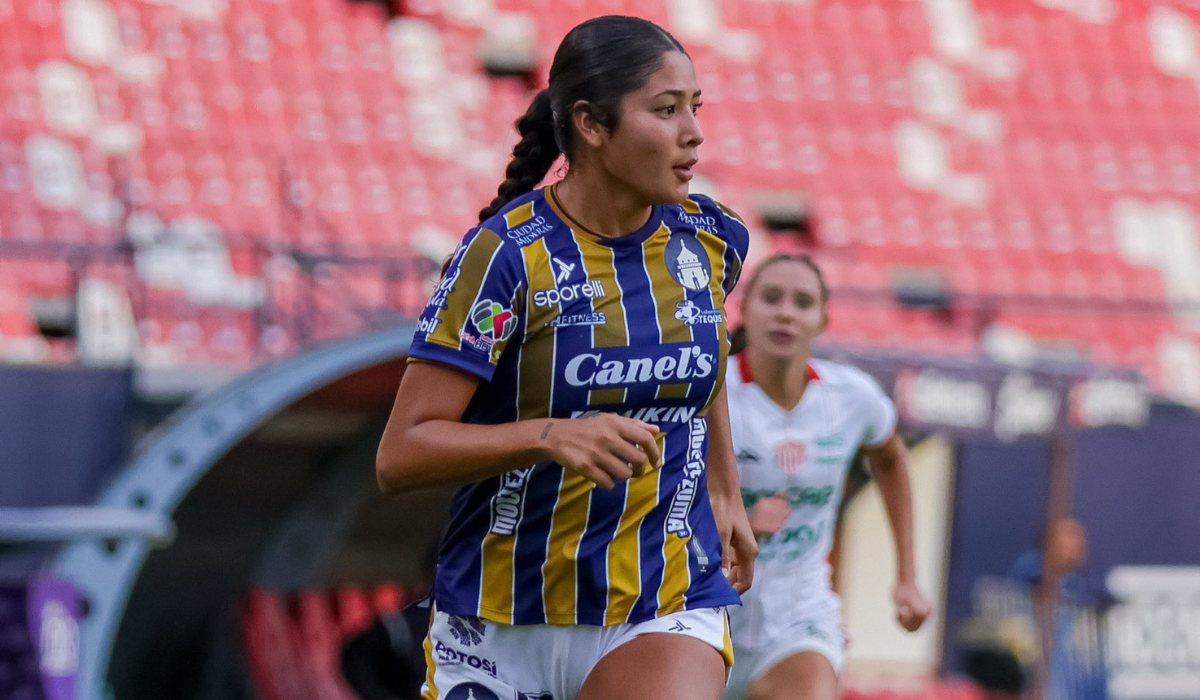
When the 12th writes stories for ‘The Women’s Game,’ we profile players, clubs, and developments that contribute to the region’s history of producing exceptional athletes at all levels.
Rebecca "Becky" Contreras recently took advantage of the three-week break Liga MX Femenil players get between seasons to come home to Gwinnett.
The 24-year-old Dacula High School graduate had just finished a remarkably successful debut season as a professional footballer in Atlético de San Luis’s midfield, her team-leading seven goals helping the team to its best season in six years.
Back home, people were noticing. Drew Prentice, one of her youth coaches as a club player, asked if she would speak to a group of teenage girls from several teams at GSA, one of the larger youth clubs in Georgia.
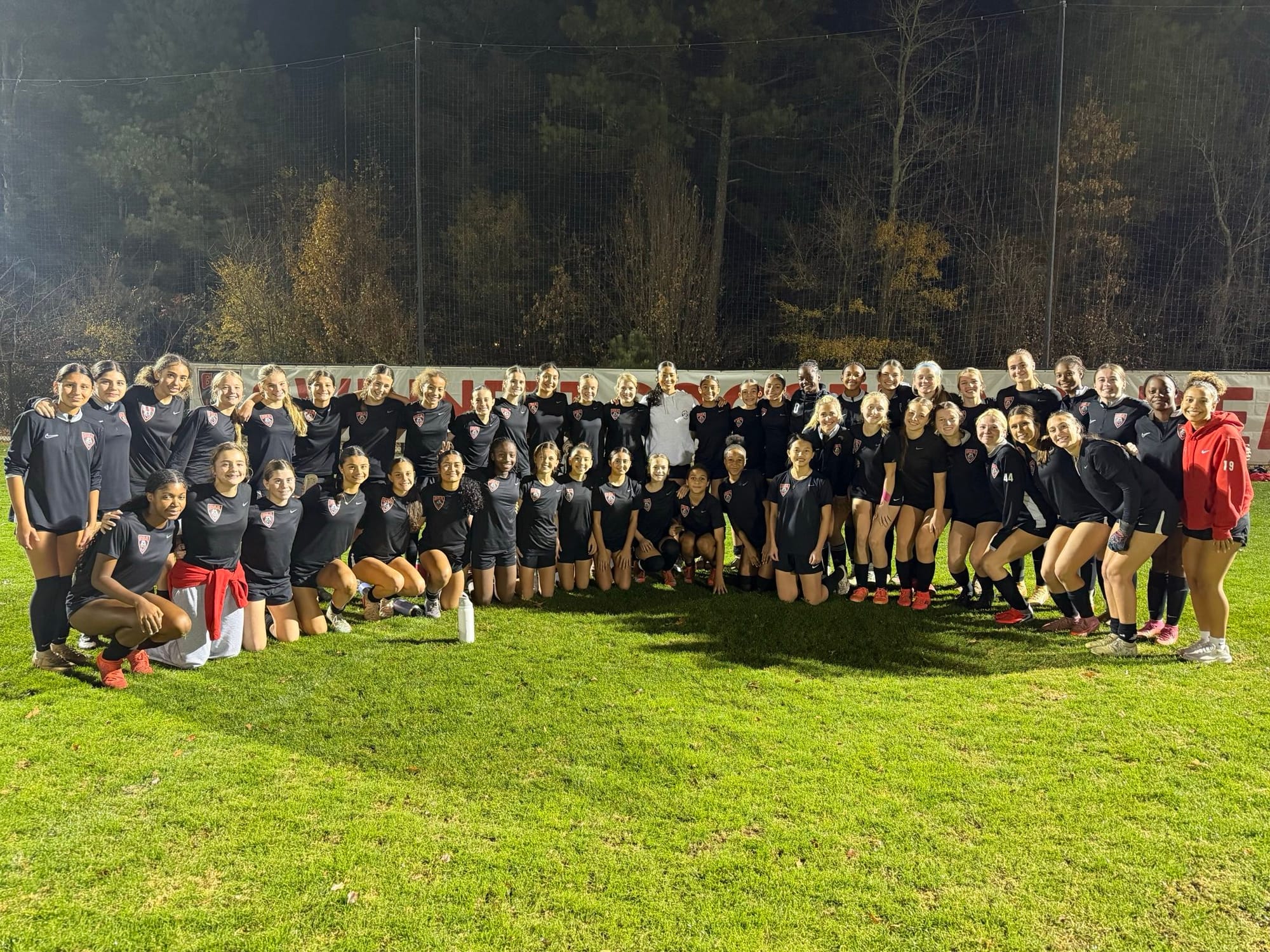
Formerly called Dacula Revolution, the club’s nine home fields in its northern division sprawl across stretches of Rabbit Hill Park. Contreras spoke to some fifty girls about her journey, some of which had taken place on the same fields. She encouraged them to pursue their dreams, and not give up.
Afterward, the girls asked questions. “They wanted to know about balancing school work and playing, becoming a pro, how to get an agent, about NIL,” she says. NIL stands for “Name, Image, Likeness”–meaning, earning money off those three things. It is an acronym for our times and has gained particular currency since a legal settlement earlier this year opened up the possibility for NCAA student athletes to use their NIL for pay–essentially, to develop their brands.
The fact of teenaged girls asking Contreras about these things shows that women’s soccer is swimming in the same waters as the rest of college sports, and also that a professional career seems more and more possible to young girls with passion for the game and talent.
“I wasn’t thinking about agents and NIL [at their age],” Contreras tells me.
The Mexican-American, who grew up in Gwinnett, has wanted to play professional soccer since she was a young girl. Growing up with two older brothers, she would follow them and her father wherever they played. Her parents separated when she was in fourth grade. Her mother, Rebeca Padilla, thought she might want to try gymnastics, or cheerleading– but she kept playing football. “It was easier for me–just take everyone to the field!” Padilla recalls.
One of the fields where her brothers played–a well-known indoor pitch among Latinos in Lilburn called the Atlanta Eagles Soccer Academy–wound up being where she scored her first goal, according to her mother.
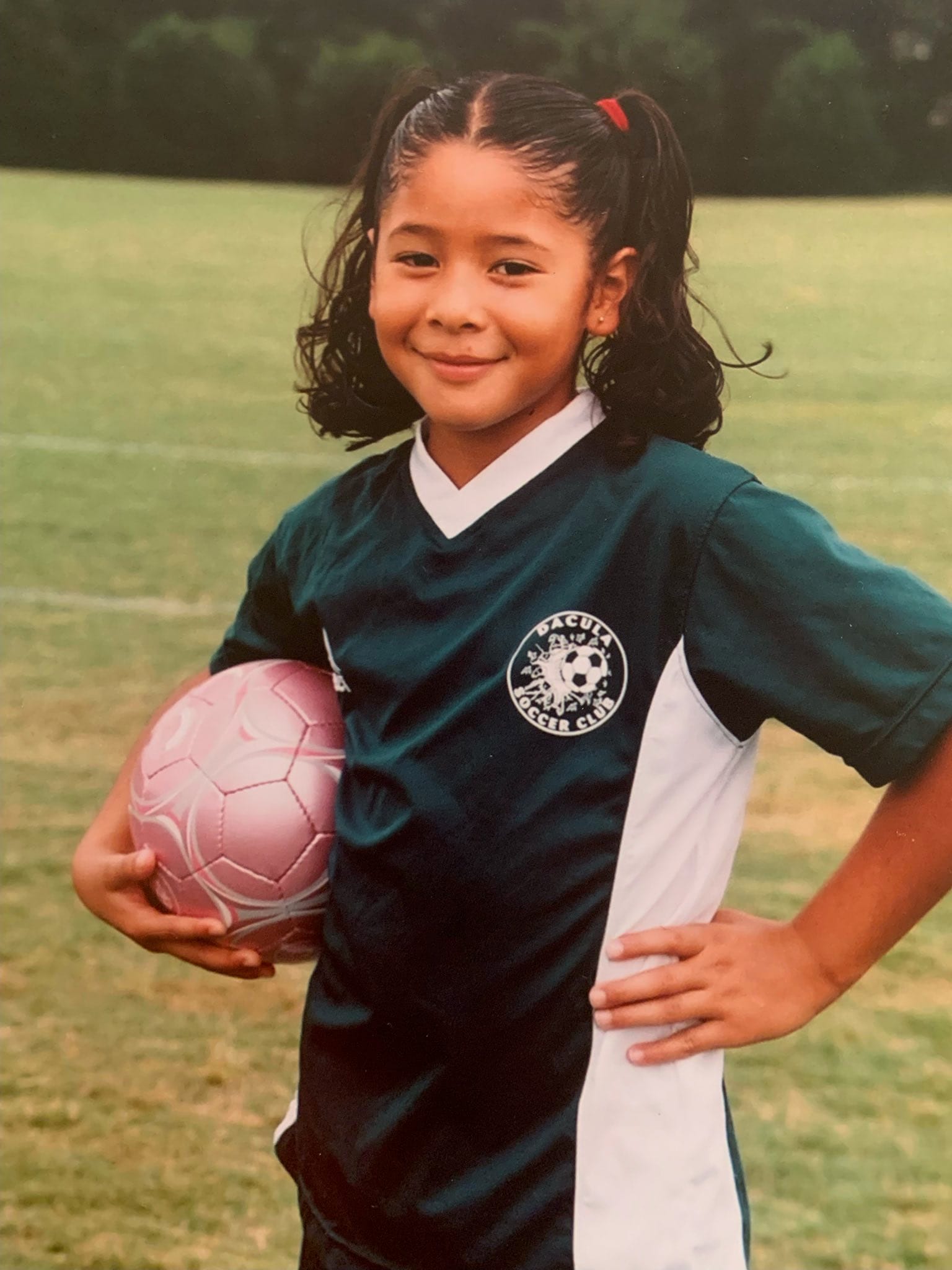
It was an own goal. Becky was four or five. Not knowing any better, she celebrated happily, her mother and grandmother looking on.
“My mom loves telling that story,” Becky says.
But she also showed skill, and a love for the game, early on. Perhaps more importantly, “she took advantage of every opportunity and bit of advice she got along the way,” Padilla says.
Her mother described her approach to raising Contreras as a daughter of Mexican immigrants. “As Latinos, we suffered adversity,” she says. “But we never treated this as a subject to talk about…I would tell my children that anybody mistreating someone else says more about them than it does about you.”
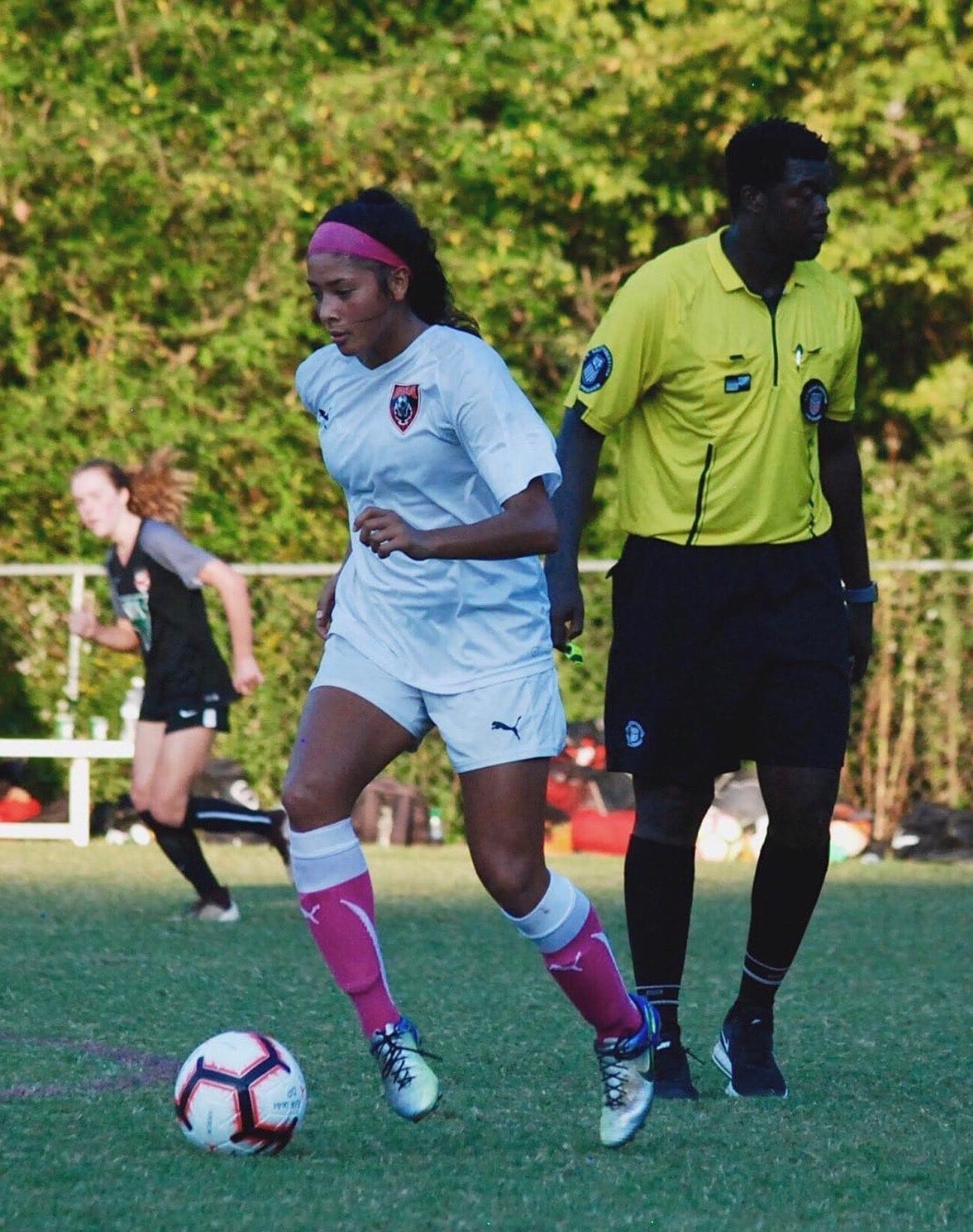
And Contreras kept playing. She would hop the fence at Rabbit Hill with a group of neighborhood boys, sometimes with one other girl, and play pick-up. She learned to be independent, since her mother had to work cleaning houses–a business she now manages–and couldn’t take her to out-of-state tournaments, so she traveled with the families of her teammates.
She won the high school state championship in 2019, her senior year at Dacula High School, scoring a goal and giving an assist in the final. She also played in Decatur FC’s inaugural season, scoring two goals in the team’s first match in front of 1,803 supporters.
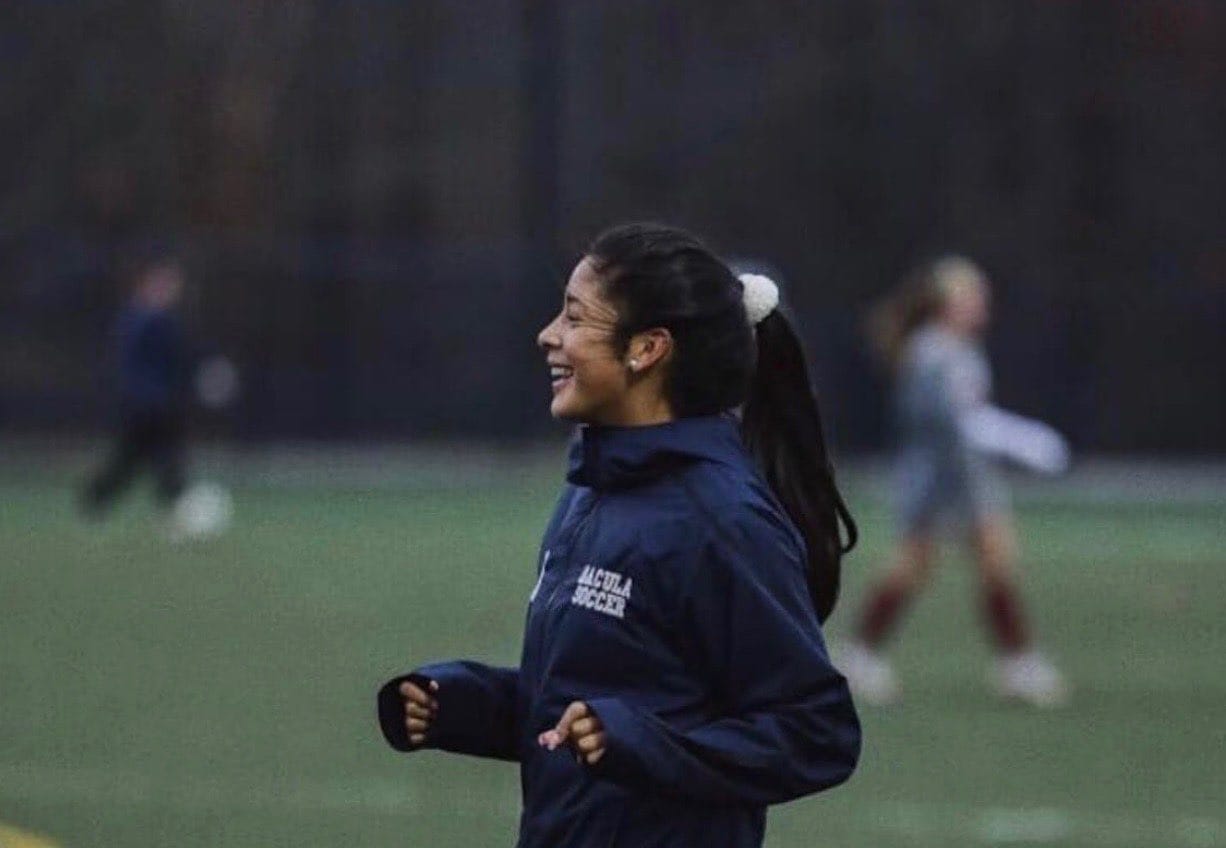
After starting her college career at Kennesaw State–and missing a season due to ACL surgery–she transferred in her last two years to Auburn.
Auburn coach Karen Hoppa asked her what her goal was, Contreras recalls.
“To turn pro,” she said. Hoppa suggested she obtain an agent and a Mexican passport, taking advantage of her heritage to open up more opportunities in the country where her parents were born. The eight-year-old women’s league has changed rules several times about nationality; becoming a dual citizen would help any team interested in signing her to make the decision.
Hoppa gave her good advice, as it turns out–but this would only become clear after a few setbacks.
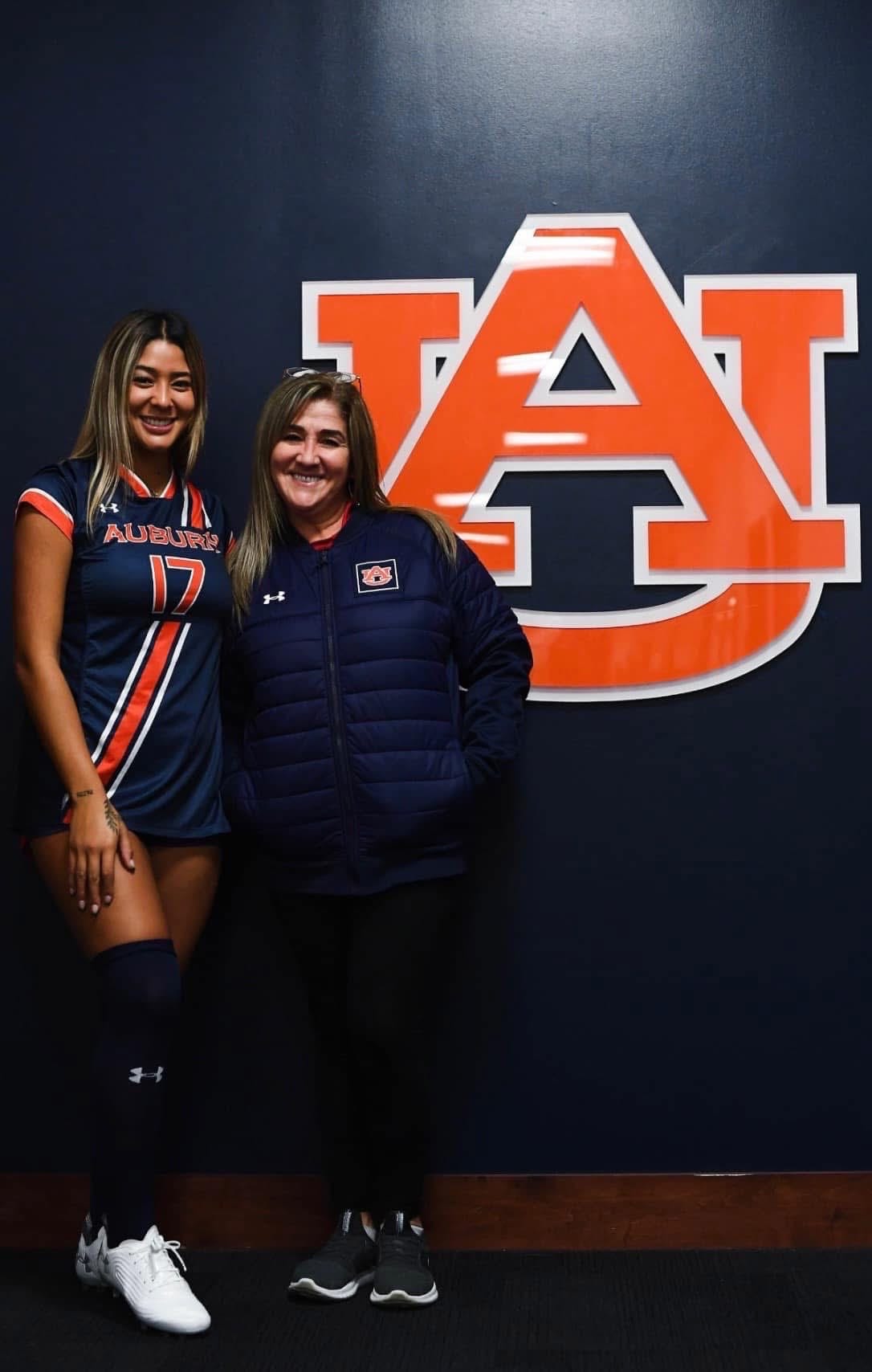
Contreras notched five goals and five assists in her final season at Auburn and within months her agent got her a few offers in northern Europe. She was hesitant–there would be a language barrier, and she would be far from her family, a concern if there were ever an emergency.
“She was concerned about not being able to be with me if something happened, like if I got sick or something,” Padilla says.
Contreras turned down the offer and a few more months went by. She and her mother had conversations about what she would do if no one else showed interest in signing her. “I started doubting if I should do this–like maybe I should get a big girl job and not play anymore,” she says.
But then Atlético de San Luis contacted her agent. In June of last year, seven months after ending her college career, Contreras signed her first professional contract.
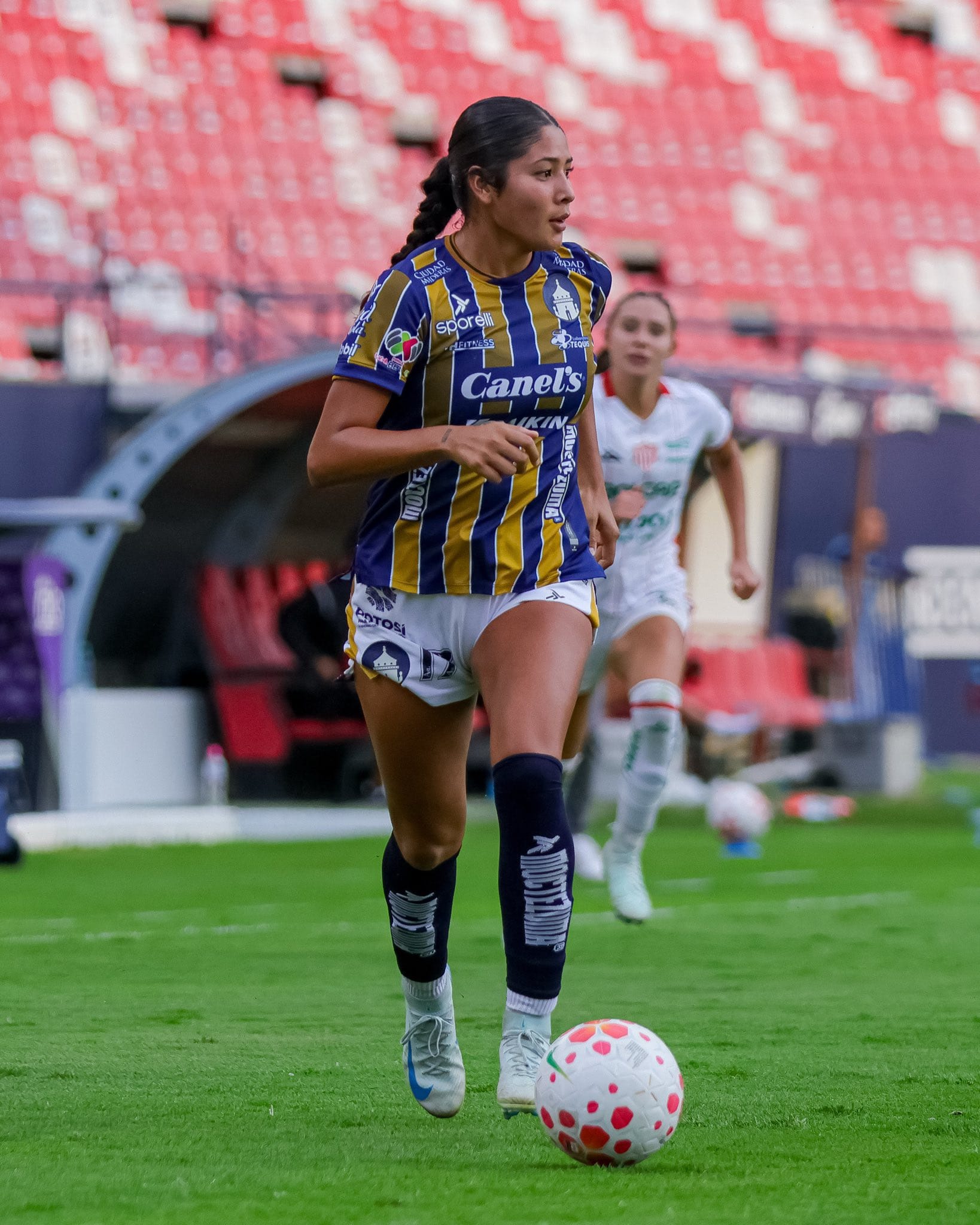
A few weeks before Christmas, Contreras was back in San Luis Potosí, in northeastern Mexico, training six days a week and getting ready for her second season the following month.
Playing in Mexico has allowed her to connect more with her family’s roots. “It’s the first time I’ve had coaches speak to me in Spanish,” she says–which also says something about soccer in Gwinnett, given that the county is nearly 25% Hispanic. Her grandmother and uncle are in the stands for most games, Padilla says.
The league is growing, but is not yet at the level of the NWSL in the U.S. in terms of popularity. The league’s teams are part of the same organizations as the men’s teams in Liga MX, as in most of the rest of the world–but not in the U.S. There’s an Atlético de San Luis men’s team, for example. Liga MX Femenil averages less than 2,000 in attendance per match; the NWSL, slightly above 10,000. The numbers are even lower for Contreras’ team.
Still, when Dutch player Merel van Dongen joined the league in 2024, she told ESPN, “...there’s no league in the world growing as much as the one in Mexico.”
Contreras said she doesn’t pay too much attention to the number of fans in the stands, and is happy “to be part of something growing”–referring to her team and the league, both of which are less than a decade old.
Contreras scored the second fastest hat trick in Liga MX Femenil history against Puebla in 2025.
As for the future: “I don’t have my eyes on any special goal and any opportunity will be a blessing,” she said. “It would be a dream to be called up to the Mexican national team,” she added. “But I still have a lot to learn and grow.”
If you enjoyed this piece, please consider donating whatever you can to help keep The 12th running. We can only do more of this with your support.
Your link has expired. Please request a new one.
Your link has expired. Please request a new one.
Your link has expired. Please request a new one.
Great! You've successfully signed up.
Great! You've successfully signed up.
Welcome back! You've successfully signed in.
Success! You now have access to additional content.